 Retail
Retail
Technology solutions can be designed for counter billing, product catalogues, stock levels, supplier records, customer purchase history and daily sales summaries.
Typically: billing, inventory, customer records, reporting.
Different sectors keep different records, but the underlying problems repeat: information scattered across tools, work tracked manually, and no reliable view of what is happening. Below is how technology solutions can be designed for each of these sectors.

Please note
Mahaparv Technologies LLP is a newly incorporated company. The descriptions on this page set out the kinds of solutions we can design and build for each sector. They are not claims of existing client engagements in that sector, and we do not present any organisation as a customer unless it is.
Retail
Technology solutions can be designed for counter billing, product catalogues, stock levels, supplier records, customer purchase history and daily sales summaries.
Typically: billing, inventory, customer records, reporting.
 Manufacturing
Technology solutions can be designed for production entries, raw material and finished goods stock, job orders, dispatch records and machine or shift-wise activity.
Typically: job tracking, inventory, dispatch, ERP modules.
 Professional Services
Technology solutions can be designed for client records, document collection, deadlines and compliance dates, service billing and work assigned across a team.
Typically: client portals, task tracking, document management.
 Education
Technology solutions can be designed for admissions, batches and attendance, fee records, study material distribution, assessments and parent communication.
Typically: learning platforms, fee and attendance systems.
 Healthcare Businesses
Technology solutions can be designed for appointment scheduling, patient or client records, billing, inventory of supplies and reminders — built with confidentiality in mind.
Typically: appointments, records, billing, reminders.
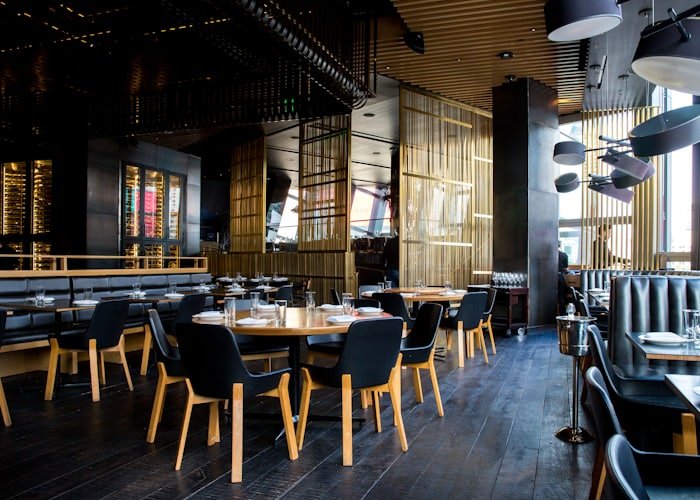 Hospitality
Technology solutions can be designed for bookings and table or room management, order handling, guest records, supplier purchases and day-end reporting.
Typically: booking systems, orders, purchase and sales records.
 Distribution
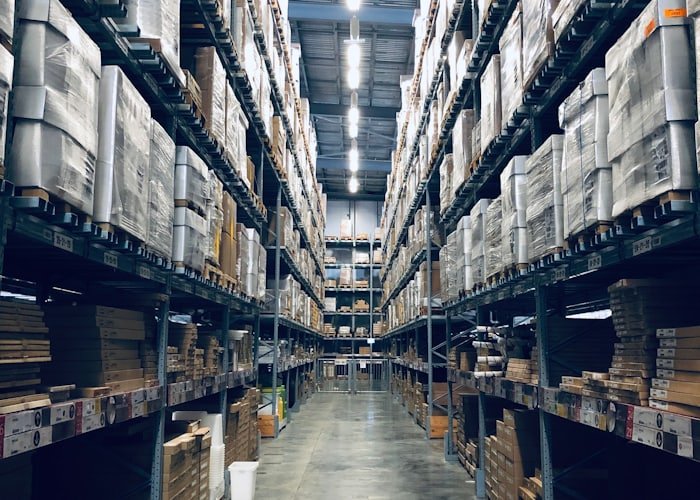
Technology solutions can be designed for dealer and retailer records, order booking, dispatch and delivery tracking, outstanding payments and area-wise performance.
Typically: order management, field apps, outstanding tracking.
 Service Businesses
Technology solutions can be designed for service requests, job assignment to technicians, on-site status updates, service history per customer and AMC or renewal reminders.
Typically: job scheduling, field mobile apps, service history.
 Local Businesses
Technology solutions can be designed for simple billing, customer lists, daily collections, credit records and reminders — kept deliberately light and easy to use.
Typically: billing, customer records, payment reminders.
 Startups
Technology solutions can be designed for a first working product, an internal operations tool or a platform that has to be built quickly and then improved with real usage.
Typically: product development, SaaS platforms, integrations.
 SMEs & Growing Companies
Technology solutions can be designed for companies that have outgrown spreadsheets — connected records, defined roles, approvals and management reporting.
Typically: ERP and CRM systems, dashboards, automation.
Sector labels matter less than the actual workflow. If your work does not fit a standard category, that is usually a sign that a custom system is the right answer rather than a packaged product.
The vocabulary changes — patients, students, dealers, guests — but the structure of the problem rarely does. These are the things we get right regardless of sector.
Customers, items and staff defined once and used everywhere, so records do not diverge.
People see and change only what their role requires, with an audit of important actions.
A small number of reports that answer real questions, rather than fifty that nobody opens.
Simple screens and short workflows, because a system that staff avoid delivers nothing.
Tell us how your work happens today — the registers, spreadsheets, WhatsApp messages and manual follow-ups. We will tell you honestly what technology can and cannot fix, what we would build, and what it would take.